
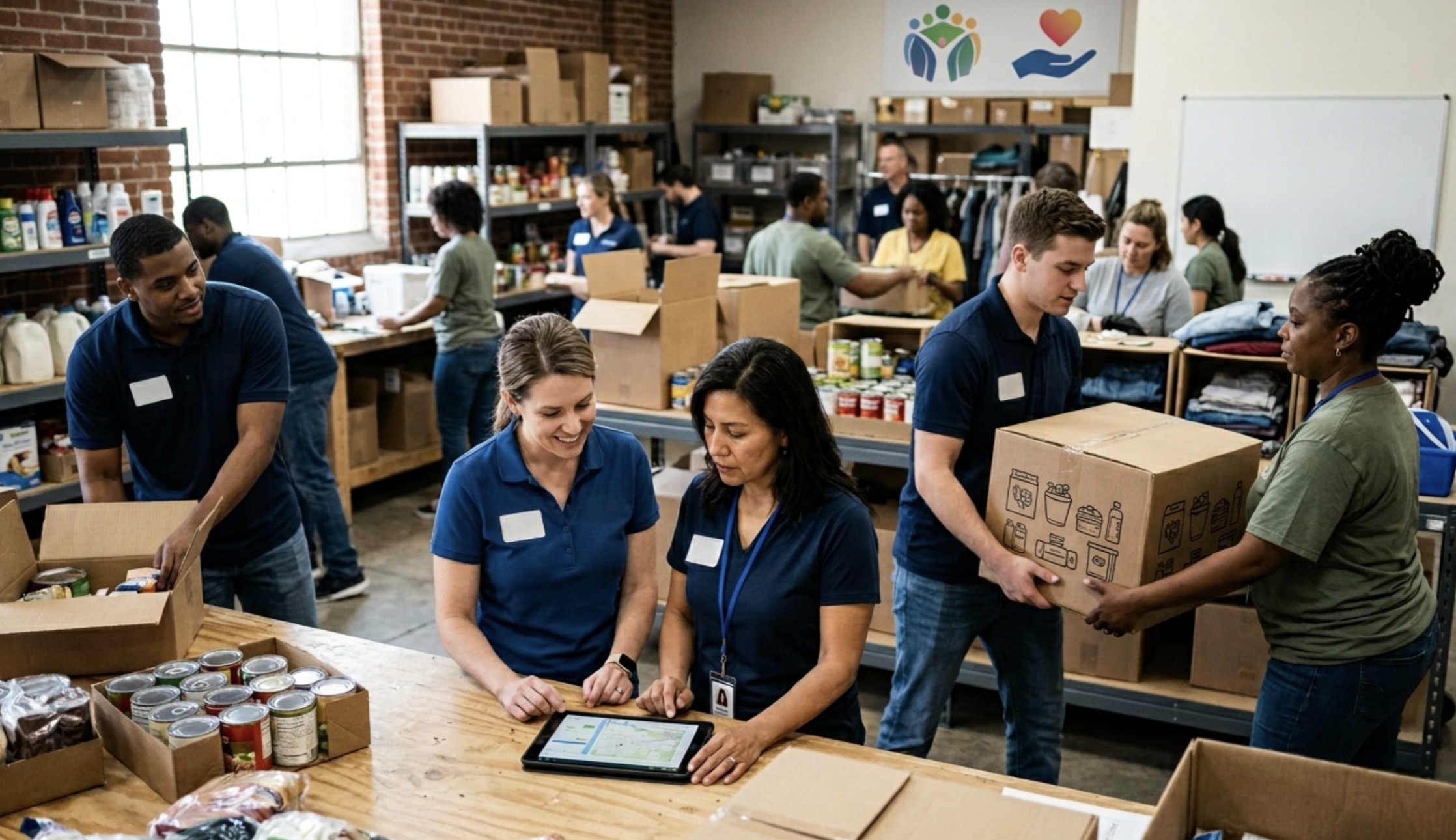
The Hidden Reality of Nonprofit Operations
When donors think about nonprofits, they often envision the inspiring mission statements and heartwarming success stories. While these elements are absolutely real and important, there's another layer to the nonprofit world that deserves attention: the complex web of daily operational challenges that organizations navigate to fulfill their missions.
Understanding these challenges isn't meant to discourage giving—quite the opposite. When donors, philanthropists, and corporate partners truly comprehend what nonprofits face behind the scenes, they can make more strategic, impactful contributions that address root causes rather than just symptoms.
Knowledge empowers better giving. The more we understand nonprofit operations, the more effectively we can support sustainable change.
The Funding Puzzle: Beyond Grant Writing
The Restricted Funding Dilemma
One of the most significant challenges nonprofits face is the prevalence of restricted funding. While donors often prefer to fund specific programs or projects, this approach can create operational bottlenecks. Organizations may have adequate funding for direct services but struggle to cover essential overhead costs like staff salaries, technology infrastructure, or professional development.
Consider this scenario: A youth development organization receives a $50,000 grant specifically for after-school programming. The grant covers program materials and snacks but doesn't include funding for the coordinator's salary, facility maintenance, or the administrative support needed to track outcomes and report back to funders.
The Grant Cycle Rollercoaster
Many nonprofits operate on what insiders call the grant cycle rollercoaster—periods of financial stability followed by uncertainty as grants expire and new funding sources must be secured. This cycle creates several challenges:
Difficulty retaining skilled staff due to employment uncertainty
Interrupted program delivery when funding gaps occur
Excessive time spent on fundraising rather than mission work
Limited ability to plan strategically for long-term impact
Smart donors and corporate partners can help by considering multi-year commitments and including operational support in their giving strategies.
Human Resources: The Talent Retention Crisis
The Passion Tax
Nonprofit employees often work for significantly less than their for-profit counterparts, accepting what's commonly known as the passion tax—lower compensation in exchange for meaningful work. While many nonprofit professionals are motivated by mission alignment, below-market salaries create real challenges:
High turnover rates, particularly among younger professionals
Difficulty competing for specialized talent (IT professionals, marketing experts, financial analysts)
Burnout from staff taking on multiple roles due to limited hiring budgets
Loss of institutional knowledge when experienced employees leave for better-paying positions
Professional Development Gaps
Many nonprofits struggle to provide adequate professional development opportunities for their teams. Limited budgets often mean that training, conferences, and skill-building initiatives are the first expenses cut. This creates a cycle where staff members lack access to the latest best practices and innovations in their field.
Philanthropic opportunity: Consider funding professional development initiatives, leadership training programs, or technology upgrades that can improve organizational capacity long-term.
Technology and Infrastructure: The Digital Divide
Operating with Outdated Systems
While the for-profit sector rapidly adopts new technologies, many nonprofits operate with outdated systems that hinder efficiency and impact measurement. Common technology challenges include:
Legacy databases that don't integrate with modern fundraising platforms
Manual processes that consume excessive staff time
Limited cybersecurity measures, making organizations vulnerable to data breaches
Inadequate websites and social media presence that limit outreach effectiveness
The Data Collection Burden
Nonprofits today face increasing pressure to demonstrate impact through data collection and reporting. While accountability is crucial, the administrative burden of tracking and reporting outcomes can be overwhelming, especially for smaller organizations. Staff members may spend significant time on data entry and report writing rather than direct service delivery.
Forward-thinking funders are beginning to recognize this challenge by:
Streamlining reporting requirements across multiple grants
Funding evaluation and data management systems
Accepting collaborative evaluation approaches where multiple funders share reporting responsibilities
Building Sustainable Support: What Donors Can Do
Embrace Operational Giving
One of the most impactful ways to support nonprofits is by providing unrestricted funding that organizations can use where they need it most. This might mean covering rent, staff salaries, or technology upgrades—expenses that are essential but often difficult to fund through traditional grants.
Consider Capacity Building
Instead of only funding direct services, consider investments in organizational capacity:
Staff training and professional development
Technology infrastructure improvements
Strategic planning processes
Board development and governance training
Financial management systems
Practice Trust-Based Philanthropy
Trust-based philanthropy involves building genuine partnerships with nonprofit organizations, reducing bureaucratic burden, and trusting organizational leaders to make decisions about how funds can be used most effectively. This approach includes:
Simplified application and reporting processes
Multi-year funding commitments
Regular check-ins rather than formal evaluations
Recognition that setbacks and course corrections are part of effective social change work
Collaborate with Other Funders
Coordinate with other donors to ensure comprehensive support for organizations you care about. This might mean organizing funding collaboratives, sharing due diligence processes, or simply communicating with other supporters to identify gaps and opportunities.
The most effective philanthropy acknowledges that sustainable social change requires sustainable organizations. When we support the infrastructure that enables nonprofits to thrive, we multiply the impact of every dollar invested in their missions.
Understanding the daily challenges facing nonprofits doesn't diminish their incredible work—it enhances our appreciation for what they accomplish despite significant obstacles. By shifting our perspective from viewing nonprofits as service providers to seeing them as partners in social change, we can build more effective, sustainable giving strategies that create lasting impact.
At GivingFountain, we're committed to facilitating these deeper partnerships between donors and nonprofit organizations. When we understand the full picture of nonprofit operations, we can all contribute more effectively to building a better world.